The storm damage pages every roofing website needs
After a storm, homeowners search questions before they search roofers. The storm damage pages to build now, so they rank before next hurricane season.
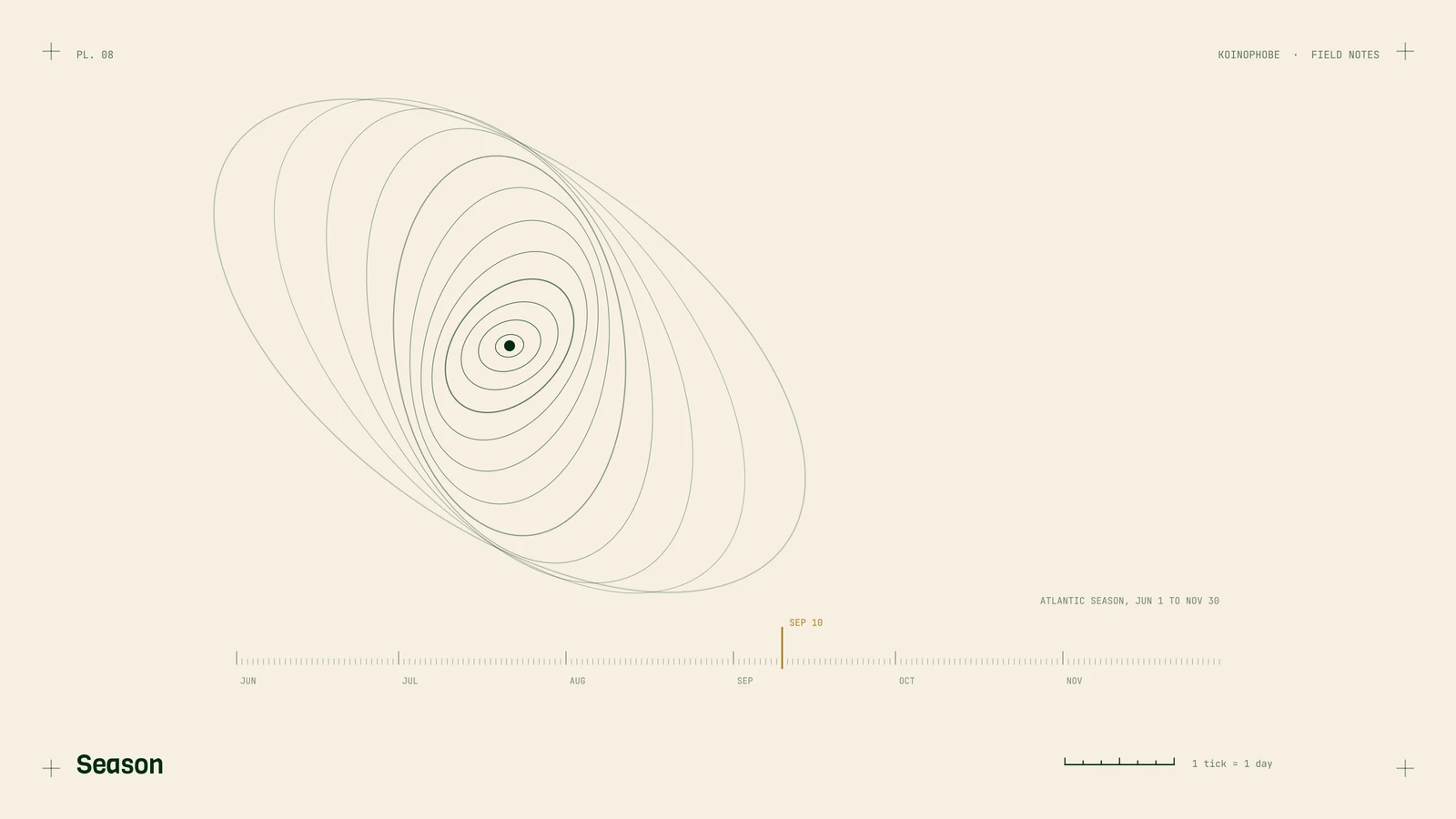
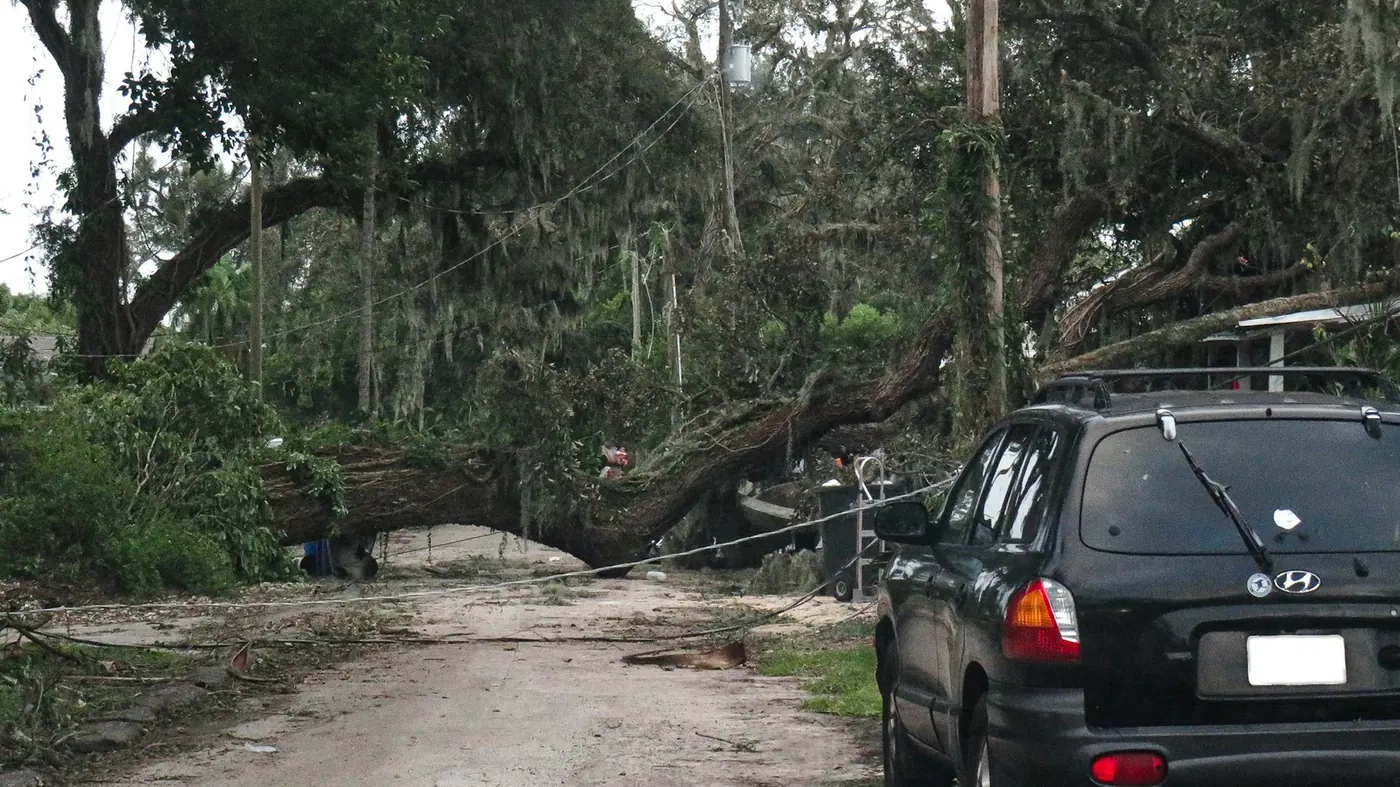
The Atlantic hurricane season runs from June 1 to November 30, with its statistical peak around September 10. Inland, hail and wind season has its own rhythm. Either way, roofing searches spike in the days after a storm.
The problem is timing. A page you publish the morning after a storm won't rank for weeks. The pages that get those calls were written months before.
What people search after a storm
Homeowners don't start with "roofer". They start with questions:
- Is this damage or is it just old?
- Will insurance cover it?
- Do I need to tarp it tonight?
- Repair or replace?
- How long will I wait?
The roofer whose site answers those questions gets the call, because the homeowner is already on their page when they decide to pick up the phone.
On a Florida roofing site we work on, part of the work was a set of articles aimed at exactly these questions. The site's average position went from 47.9 to 14.9 over the year. On a hurricane shutter site, 37 of 51 clicks in one four-week stretch came from a single seasonal storm article. Storm content does its work in bursts, and you can't predict the dates.
The pages to build
Emergency roof repair and tarping. What you do in the first 24 hours, how fast you can get there, and a phone number at the top. Keep it short. People read this one on a phone in the rain.
Storm damage inspection. What you look for, what the homeowner gets afterwards (photos and a written report), and what it costs. If it's free, say so.
Insurance claims. How the process usually works from the homeowner's side: document the damage, call the insurer, get an inspection. Explain what you can help with and where the homeowner deals with the insurer directly. Keep it general and accurate. Don't promise outcomes, and don't give legal advice.
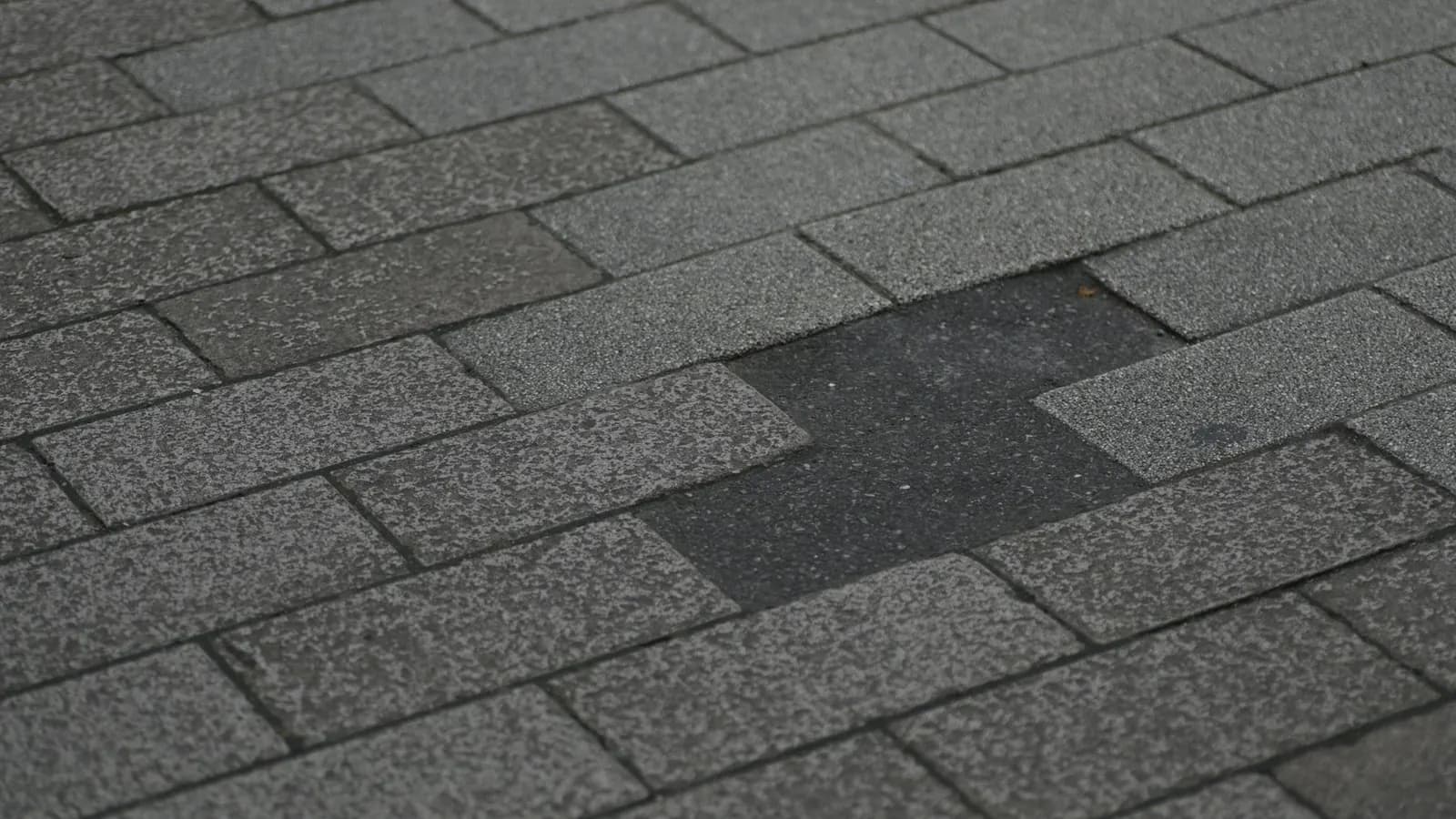
Wind damage and hail damage. Separate pages if you get both. They look different on a roof and people search them differently. Photos from your own jobs make these pages.
Repair or replace. The question every homeowner asks. Give them your real rule of thumb: age of the roof, how much is damaged, what the insurer is likely to cover.
Wind mitigation inspections, if you work in Florida. They can lower a homeowner's insurance premium, and people search for them all year. If you offer them, let people book online. We've seen one of these pages rank in the top three and get no clicks because the page had no way to book.
How to write them
- Start with the answer, then explain.
- Use photos from your own storm jobs.
- Mention the towns you serve, in normal sentences.
- Put the phone number and a booking option above the first scroll on mobile.
- Link each one to your town pages and your main services.
When to publish
Now. Hurricane season ends on November 30, which makes the off-season the right time to build. Pages published over the winter have months to get indexed and start ranking before June. Add a short note on each page after a big storm, with photos from that week. It keeps the page current and gives Google a reason to look again.
If you want these built for you, the Growth plan on the pricing page covers two pages a month, which is the full storm set by spring. The roofing results are on the roofing SEO page.
Frequently asked questions
What storm damage pages should a roofing website have?
Emergency roof repair and tarping, storm damage inspection, insurance claims, wind damage and hail damage, and repair or replace. If you work in Florida, add wind mitigation inspections.
When should roofers publish storm damage pages?
Now, in the off-season. A page published the morning after a storm won't rank for weeks, and pages published over the winter have months to get indexed and start ranking before June.
What should a roofing insurance claims page say?
How the process usually works from the homeowner's side: document the damage, call the insurer, get an inspection. Explain what you can help with, keep it general and accurate, and don't promise outcomes or give legal advice.