Pest control SEO: rank for the pest, sell the plan
Pest control SEO built around how people search: a page per pest, a recurring plans page, seasonal timing, town pages, reviews within the rules and tracking.
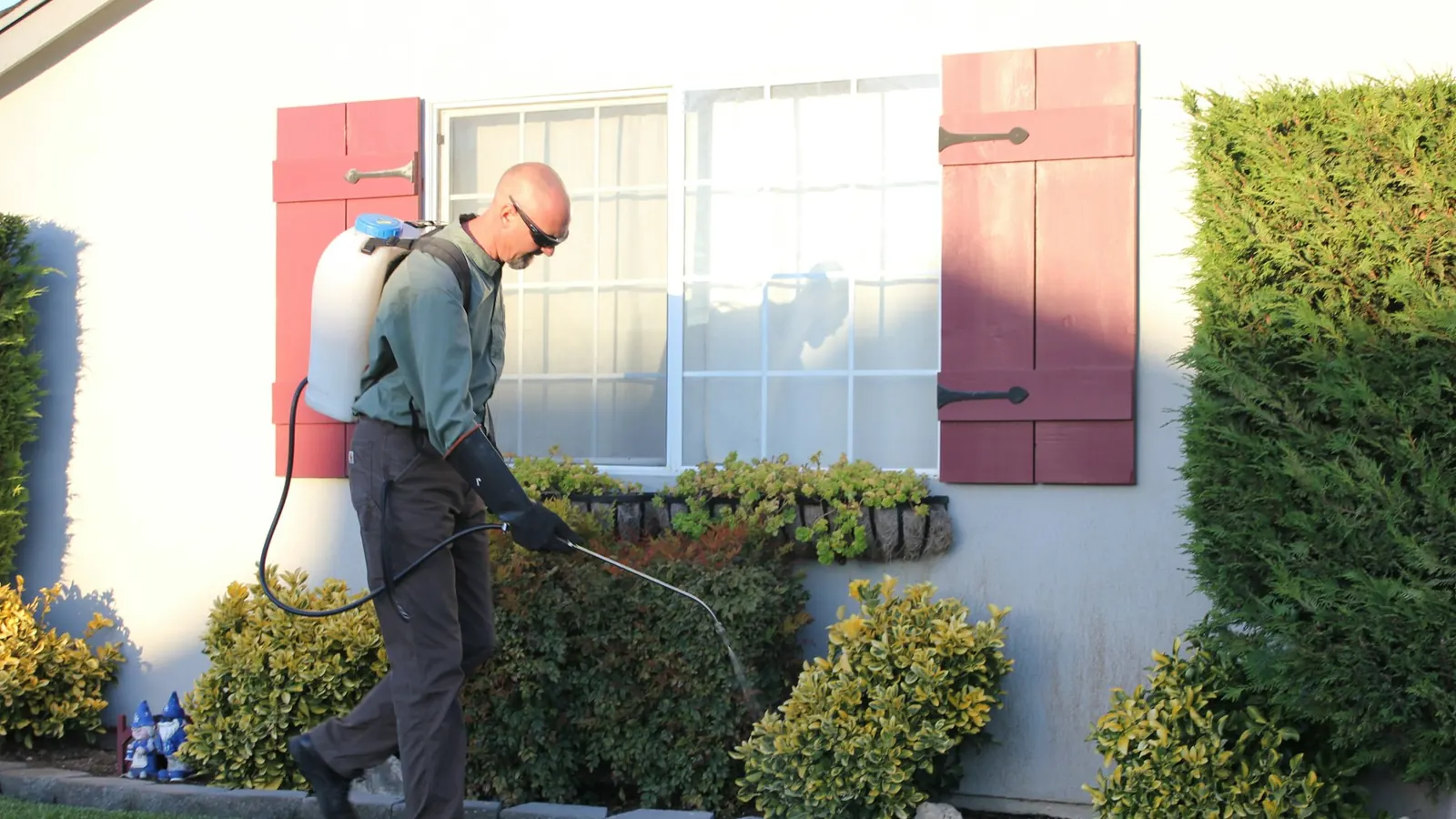
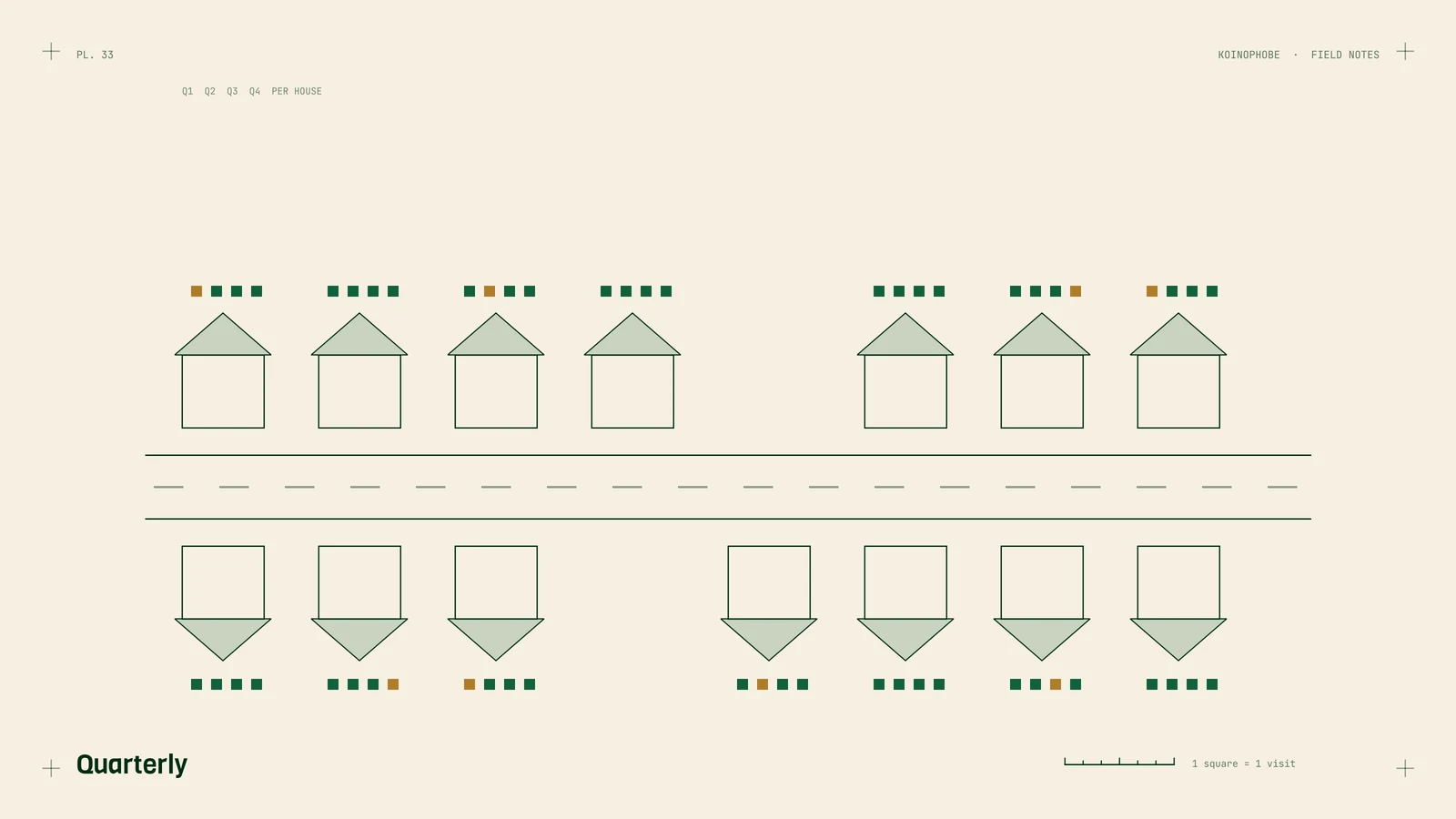
A pest control company makes its steady money on recurring plans, but people usually don't start by searching for a quarterly plan. They search the problem in front of them: termite inspection, mosquito control, mice in walls. The site has to catch that search and then sell the plan.
Most of the sites we work on are roofing, pool deck, lawn and shutter companies. Pest control isn't on that list. The search side works the same way, though, so below is the setup we'd use for a pest company, and any results we mention come from those other trades.
A page for each pest
People search the pest, so build a page for each one you treat:
- Termites. Inspections and treatment are often separate searches and can be separate pages. Say what an inspection involves and what happens if you find activity.
- Mosquitoes. Yard treatments, how often you come back, what the homeowner needs to do between visits.
- Rodents. Exclusion, trapping, follow-up visits, and how you find where they get in.
- Bed bugs. How you inspect, the treatment method you use, how many visits it usually takes, and how the customer should prepare.
- Ants. The species common in your area, if you can name them, and how treatment works.
Each page needs a title tag with the pest and your main town, a tap-to-call button near the top, photos from your own jobs where you have them, and the questions customers ask you on the phone. Then each pest page links to the plans page, with a line explaining which plan covers that pest.
The plans page
Recurring quarterly plans are the revenue core for many pest businesses, so give them a page of their own. Say what each visit includes, which pests the plan covers, how often you come, what happens if pests come back between visits (if you re-treat at no charge, say so), the price or a starting price, and how to sign up.
Write it for a homeowner who arrived on the termite or ant page and is deciding whether to book one visit or sign up. A plan described in one paragraph on the homepage gives that person, and Google, very little to work with.
Lawn care runs on recurring plans too, and our lawn care SEO note covers a similar setup.
Time pages to each pest's season
Pest searches follow the calendar. In much of the country, termite swarms come in spring, mosquito searches rise with warm weather, and rodent calls pick up as it gets cold and they move indoors. Bed bugs show up any time. The exact timing depends on your region, and your own data is the best guide.
Open Google Search Console, go to the Performance report, and compare the last three months with the same three months a year ago. Note which pest queries rose and when. New pages take weeks or months to be indexed and settle in rankings, so publish or refresh each pest page a couple of months ahead of its season.
Town pages and Business Profile
For each town you serve, a page about that town can help with pest control [town] searches. Google's doorway abuse policy treats near-identical pages with the town name swapped as spam, so each needs something true about the place: the pests you see most there, jobs you've done, how fast you get out. Our service area pages note is written for roofers, and the same rules apply.
Your Google Business Profile drives the map results. Set up to 20 service areas by city or ZIP, within about 2 hours' drive. Remove the street address if customers don't visit you. Use your real business name with no keywords added. The Business Profile setup note walks through each setting.
Reviews within the rules
Customers on a quarterly plan see you four times a year, which gives you more chances to ask for a review than most trades get. Ask every customer, the same way. Google prohibits offering incentives for reviews and selectively asking happy customers (review gating). The FTC's fake reviews rule took effect October 21, 2024, with civil penalties up to $51,744 per violation. Getting more Google reviews covers how to ask without breaking either set of rules.
Track calls and plan sign-ups
Track website phone taps as a GA4 key event, count Business Profile calls separately, and test your forms every month. In July 2026 we found a client's form submissions had been dropping since March because of an email setting, and nobody noticed for four months. If plan sign-ups happen online, make the sign-up its own key event so you can see which pest pages lead to plans. Our call tracking for contractors note explains how to keep each source separate.
Where to start
Build the plans page first, then the page for the pest whose season is coming next. If you'd like help with the setup, the plans and what they include are on our pricing page.
Frequently asked questions
What pages should a pest control website have?
A page for each pest you treat (termites, mosquitoes, rodents, bed bugs, ants), a page for your recurring plans, and a real page for each town you serve. People search the pest, so the pest pages bring them in.
Can I offer a discount for Google reviews?
No. Google prohibits incentives for reviews and selectively asking only happy customers. The FTC fake reviews rule took effect October 21, 2024, with civil penalties up to $51,744 per violation.
When should pest control companies publish seasonal pages?
Months before each pest's busy season in your area. New pages take weeks or months to be indexed and settle, so a termite page should be live well before swarm season.