How to rank in the Google map pack: what you can change and what you can't
How to rank in the Google map pack using Google's own three factors: what you control under relevance, distance and prominence, and what gets you suspended.
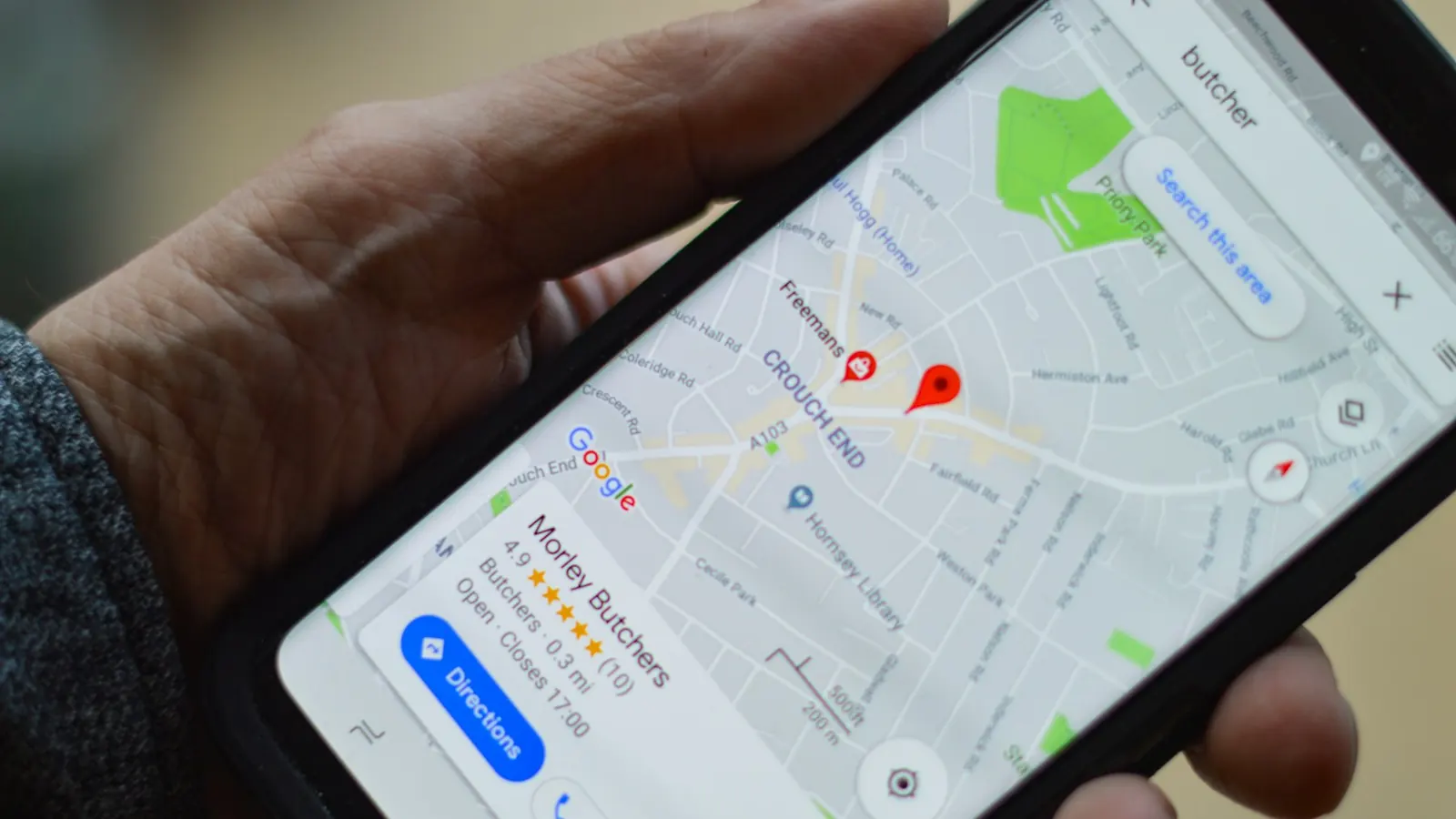
Search roofer near me or pool deck repair on a phone and the first real results are usually three businesses under a map. That block is the map pack, and on a lot of local searches it sits above the regular website results.
People ask us how to get into it as if there's a trick. Google has published how it works, so we start there.
Google's three factors
Google's Business Profile help page says local results are based mainly on three things:
- Relevance: how well a Business Profile matches what someone searched for.
- Distance: how far each business is from the person searching, or from the location named in the search.
- Prominence: how well known the business is. Google mentions how many websites link to you and how many reviews you have, and says more reviews and positive ratings can help.
The same page says there's no way to request or pay for a better local ranking. Ads can sit near the map, but they're a separate thing you pay for.
Relevance: what you control
This is where most of the work is, and most of it is in your own profile.
Primary category. It tells Google what you are. A roofer's is usually Roofing contractor. Pick the work you want the most calls for, then add secondary categories only for work you sell. Choosing categories goes through how to pick them and check competitors'.
Services. List each job on its own line, in the words customers use: roof repair, leak repair, storm damage inspection, roof replacement. Add a sentence or two to each.
Service areas. If customers don't come to you, hide the address and set service areas instead. Google allows up to 20, entered as cities or ZIP codes, within about two hours' drive of your base. Service area businesses on Google covers the details.
Your website. The profile links to it, and we treat the two as one listing. Each town you list should have a real page on the site about the work you do there. Pages that are the same text with the town swapped are doorway pages under Google's spam policy, so we wrote up how to do them properly in roofing service area pages.
Google also says businesses with complete and accurate information are more likely to show up. Hours, phone, photos, description: fill them all in. Our Business Profile setup for roofers walks through every field.
Distance: mostly out of your hands
You can't move the person searching, and you can't move your business. Adding a town to your service areas tells Google you work there. It doesn't change where you're based.
What you can do is make the towns you list match the towns on your website and the towns where you do the most jobs. A tight, honest list is easier for Google to trust than twenty towns copied from a county map.
Prominence: reviews, links and listings
Reviews. Ask every customer and reply to the reviews you get, within the rules. Google prohibits offering incentives for reviews and asking only happy customers. The FTC's fake reviews rule has been in effect since October 21, 2024. We covered the asking side in getting more Google reviews as a roofer.
Links and mentions. Google names links to your business as part of prominence. Local sponsorships, supplier pages, trade associations and local news are the realistic sources for a contractor.
Citations. Your name, address and phone number on directories like Yelp and the BBB. They should match your profile exactly. Mismatched listings are easy to miss, and NAP citations for contractors explains how to clean them up.
What doesn't move it, or gets you removed
Keywords in the business name. Calling yourself "Best Roofer Melbourne FL Roofing" breaks Google's guidelines. Google says unnecessary information in the name could get the profile suspended, and competitors do report it.
A fake address. Google's guidelines say a virtual office isn't eligible, and P.O. boxes or mailboxes at remote locations aren't acceptable. If competitors are using one, here's how to report them with evidence.
A second profile for the same location. Google says not to create more than one profile for each location. Duplicates confuse the listing and put both at risk.
What the near-me data shows
We pulled every search containing "near me" from Search Console for five sites we work on, April 2025 to August 2026. There were 1,250 of them. 780 showed one of those sites on page one, 191 in the top three, and they brought in 343 clicks between them.
Those are website rankings, which sit below the map. Plenty of near-me searches get settled in the map pack before anyone scrolls that far, so a page-one ranking doesn't always mean clicks. The full breakdown is in what 1,250 near-me searches taught us. The short version: the sites that win the most near-me searches have the town on the page, a page per service, and a Business Profile that agrees with the website.
Where to start this week
Open your Business Profile and check four things: the primary category, the services list, the service areas, and whether the name is your real name. Then search your main service plus your town on your phone and note who's in the top three and what category shows under each name.
If you'd like us to go through the profile and the website together, the Site Audit on our pricing page covers both and ends with a list of what we'd fix first.
Frequently asked questions
What decides who shows in the Google map pack?
Google says local results depend on relevance, distance and prominence. Relevance is how well your profile matches the search, distance is how far you are from the searcher, and prominence is how well known your business is.
Can I pay Google to rank higher in the map pack?
No. Google's help page says there's no way to request or pay for a better local ranking. Ads can appear near the map, but they are a separate, paid placement.
Will adding keywords to my business name help me rank?
It breaks Google's Business Profile guidelines, and Google says unnecessary information in the name could get the profile suspended. Use the name on your sign, truck and invoices.